
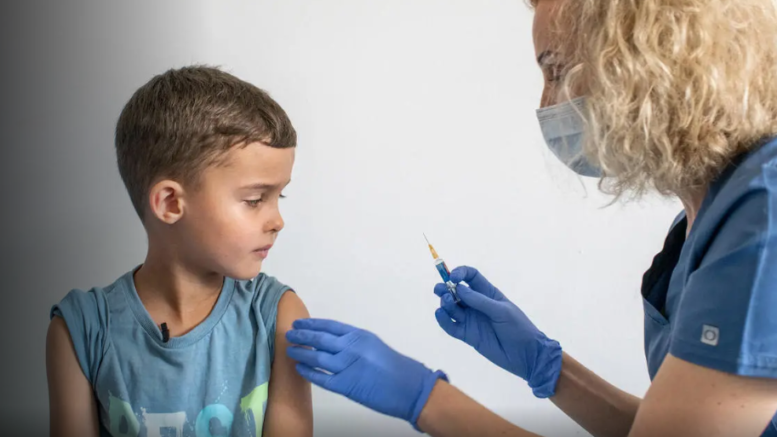
For decades, the world has celebrated routine childhood vaccines as one of the greatest triumphs of modern medicine. Diseases that once devastated children, such as measles, polio, whooping cough, and diphtheria, have been pushed back through consistent immunization programs. In many places, that progress seemed unstoppable. Recent data suggests, however, that the momentum has weakened. Across much of the United States and globally, childhood vaccination rates have begun to decline, and the consequences may reach far beyond these drops.
In the U.S., the trend is unmistakable. Data collected from state and county health departments reveal that since 2019, roughly 77 percent of counties and jurisdictions report declining vaccination rates among children. Those declines range from very small—under one percent—to dramatic losses exceeding forty percent. For measles, mumps, and rubella (MMR) coverage especially, about two-thirds of U.S. counties with available data now fall below the 95 percent rate that experts consider necessary to maintain herd immunity. Exemptions are rising. Many non-medical exemptions from school vaccination requirements have more than doubled in jurisdictions that collect such data. Medical exemptions remain rare and stable, but non-medical choices now constitute most of the increase in exemption rates among children.
Global vaccination trends mirror this reversal. In 2023, three doses of the vaccine against diphtheria, tetanus, and pertussis (DTP3) were received by about 85 percent of infants worldwide. That figure masks serious gaps. Globally, there were about 14.3 million “zero-dose” children in 2024—those who had received no routine vaccine by their first birthday. The number of children missing even the first dose of the measles vaccine rose to more than 20 million in 2023. Key vaccination coverage rates are not returning to their pre-pandemic highs. Where, before 2019, many countries were approaching or exceeding targets, many now lag. For example, high-income countries experienced declines for at least one vaccine in 21 out of 36 such nations between 2010 and 2019, even before pandemic disruptions. That signals systemic issues beyond supply chain interruptions or clinic closures.
Children in fragile or conflict-affected settings are worse off. In such areas, vaccine delivery often breaks down altogether. From 2019 to 2023, in these settings, declines in vaccines like DTP1 and DTP3 coverage were sharper than in more stable regions. Dropouts between initial vaccine doses and follow-ups rose. Measles first dose uptake (MCV1) fell sharply in regions struggling with poverty, conflict, displacement, or weak health infrastructure. When families lack access to clinics, when transportation is difficult, or when the cost in time and money to reach care is too high, routine vaccinations become harder to maintain.
Vaccine hesitancy and misinformation have become part of the problem. In many countries, parents now question the necessity of vaccines whose successes have made illness rare. In the United States, some states face waves of non-medical exemptions based on religious or personal reasons, even when laws require vaccinations for school entry. Legal frameworks vary, creating different risks. In places where it is easier to opt out, coverage has dropped more steeply. Social media and online misinformation have created doubt about vaccine safety and effectiveness, even among otherwise well-informed communities.
The risks of declining vaccine coverage are more than theoretical. Measles has reemerged in communities where coverage dipped below safe thresholds. Polio, once nearly eradicated in many nations, now shows up in environmental samples in areas with weakened immunity. In parts of the world where immunization programs stalled, mortality and outbreak rates for vaccine-preventable diseases have started climbing again. The global immunization agenda for 2030, which aims to ensure broad protection and drastically reduce zero-dose children, looks more distant than ever if current trends continue.
Reversing this decline will require several strategies acting together. Access must improve. That means health services must be easier to reach for all families, transportation barriers addressed, clinics more available, and schedules more flexible. School requirements for vaccinations need enforcement, along with policies that limit easy exemptions while still recognizing genuine medical need. Messaging must be rebuilt. Trust in public health authorities and medical science must be reinforced through education, transparent communication, and community leaders who understand local concerns. Globally, there is an urgency to expand vaccine coverage in fragile settings with mobile clinics, outreach, and investment in public health systems capable of handling access barriers.
Sources
https://publichealth.jhu.edu/ivac/2025/across-the-us-childhood-vaccination-rates-continue-to-decline
https://www.theguardian.com/society/2025/jun/24/children-global-vaccine-rates-fall-study-finds





Be the first to comment on "What Declining Child Vaccination Rates Mean for America’s Health"