

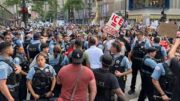
For many people, the shooting of Alex J. Pretti has become a big moment in the national debate over federal law enforcement, immigration policy, and the limits of protest. Pretti, a 37-year-old intensive care nurse at the Minneapolis Veterans Affairs Health Care System, was killed on January 24, 2026, during a protest against federal immigration enforcement in the city. His death occurred during a federal immigration operation that had heavily armed agents in Minneapolis, causing outrage and an investigation.
Pretti’s life was dedicated to helping others. His friends and colleagues described him as compassionate and committed to taking care of sick patients. On the day he was killed, he joined an event as a response to the visible presence of federal agents in residential neighborhoods. Videos taken by bystanders were shared online and show him holding a phone and attempting to document the officers before he was shot multiple times and later pronounced dead. The Hennepin County Medical Examiner claimed his death was a homicide caused by multiple gunshot wounds.
Immediately after, federal officials confirmed that agents from Customs and Border Protection (CBP) discharged their weapons, but refused to release their names because of safety concerns. Their refusal angered the public and increased their desire for transparency. Reports eventually identified the two federal agents involved as Border Patrol Agent Jesus Ochoa and Customs and Border Protection Officer Raymundo Gutierrez based on government records. Both of these men were assigned to the federal operation in Minneapolis at the time of the shooting.
The identification of the two agents shifted the focus of the public. People advocated for civil rights by claiming that revealing their names was necessary in order to take accountability, but federal officials continued to say that keeping their identities private was justified because of the threats against officers that were circulating. The disagreement was just a small part of the larger tension that comes when topics such as policing, transparency, and the role of federal agencies in civilian settings come up.
Pretti’s death took place in the wake of another controversial shooting that had occurred earlier in January, where another Minneapolis resident, Renee Good, was killed by an ICE agent. Combined, these incidents were the cause of questions about the rules governing the use of force by immigration authorities, while also causing protests and requests for criminal investigations.
News outlets covered the incident from various angles. Local television stations and regional reporting focused on eyewitnesses, the way communities responded, and the details of the protest itself. National and investigative outlets, including ProPublica and international press, focused on Ochoa and Gutierrez’s backgrounds, the federal government’s initial refusal to release their names, and the insinuations of aggressive immigration enforcement tactics. It was also noted that there was a lot of contradiction between official statements about the encounter and the videos taken by bystanders.
As the Department of Justice Civil Rights Division and other authorities continue to investigate, the shooting of Alex Pretti is still a big topic of discussion about law enforcement accountability, civil liberties, and the right amount of federal power. For many people, his death stresses the human consequences of controversial policy decisions and has become a symbol of the challenges in finding the right balance of safety and constitutional rights.
Be the first to comment on "The Alex Pretti Shooting in Minneapolis"