

A sharp escalation in the conflict involving Iran, Israel, and the United States has pushed global energy markets into crisis, with oil and natural gas prices surging as key infrastructure comes under attack. What began as a series of military strikes has quickly evolved into a broader confrontation that now threatens the stability of the world’s energy supply and the global economy that depends on it.
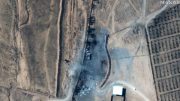
Israel launched a strike on South Pars, the world’s largest natural gas field, located in Iran and shared with Qatar. This is major because energy infrastructure had largely been avoided earlier in the conflict. Iran responded by targeting energy facilities across the Gulf, including Kuwaiti refineries and a major liquefied natural gas facility in Qatar. Fires and damage at these sites disrupted production and immediately sent shockwaves through global markets. At the same time, the Strait of Hormuz, one of the most important shipping routes in the world, has effectively been shut down by Iranian military actions. Under normal conditions, about one-fifth of the world’s oil and liquefied natural gas passes through this narrow waterway. With tanker traffic halted, supply chains have been severely disrupted, leaving countries scrambling to secure alternative sources of energy.
As a result, oil prices have risen dramatically. Brent crude has climbed above 110 dollars per barrel, a sharp increase from prewar levels, while natural gas prices have surged, particularly in Europe, where reliance on imported energy makes the region especially vulnerable. The European benchmark for natural gas has doubled in recent weeks, reflecting growing concern about long-term shortages. The economic consequences are already becoming clear as rising energy prices fuel inflation and create uncertainty in global markets. Stock indices across Europe and Asia have declined, and countries that rely heavily on energy imports, such as Japan and South Korea, are facing additional pressure as they struggle to maintain stable supplies. The effects are not limited to financial markets, as higher energy costs are beginning to impact transportation, manufacturing, and daily life.
Political tensions are also intensifying as the United States expands its military operations, targeting Iranian missile sites and naval assets near the Strait of Hormuz. Officials have stated that these actions are meant to restore security in the region, but they also increase the risk of further escalation. President Donald Trump has issued a strong warning that the United States would take extreme action against Iran’s gas infrastructure if attacks on Qatar continue, raising fears that the conflict could widen even further. At the same time, European leaders have expressed concern about the growing instability and its economic consequences, calling for restraint and emphasizing the need to stabilize energy markets. Many allies remain hesitant to become more directly involved, especially as public support for military action remains low.
Efforts are being made to ease pressure on energy markets, including discussions about loosening restrictions on certain oil supplies to bring prices down in the short term. However, analysts warn that these measures may provide only temporary relief if the conflict continues to disrupt production and transportation. The situation remains highly uncertain, and continued attacks on energy infrastructure could prolong the crisis and deepen its impact on the global economy. Repairing damaged facilities will take time, and ongoing instability in the region makes it difficult to predict when normal production levels might resume.




Be the first to comment on "Energy Crisis Deepens as War in the Middle East Targets Global Supply"