

The escalating conflict between the United States, Israel, and Iran has raised the potential of a major and long-lasting war in the Middle East. It began when the United States and Israel launched a joint military campaign that was targeted at Iranian military infrastructure across the country. According to multiple reports, thousands of targets were hit in the opening waves of the operation, including missile sites, command centers, and weapons facilities. During the campaign, Ali Khamenei, the supreme leader of Iran, was killed. Because of this, the war was intensified as Iran and its allies were forced to retaliate.
The strikes were one of the most significant military actions against Iran in decades. Officials in Washington and Jerusalem said that the operation was needed in order to weaken what Iran’s military is capable of and prevent it from threatening everyone’s regional security. The death of Khamenei, who had been leading Iran since 1989, caused the operation to change from a limited military campaign into the start of a bigger problem. People started to analyze the situation and realized that getting rid of Iran’s top political and religious leader could destabilize the region and unintentionally involve multiple countries and militant groups that are allied with Iran.
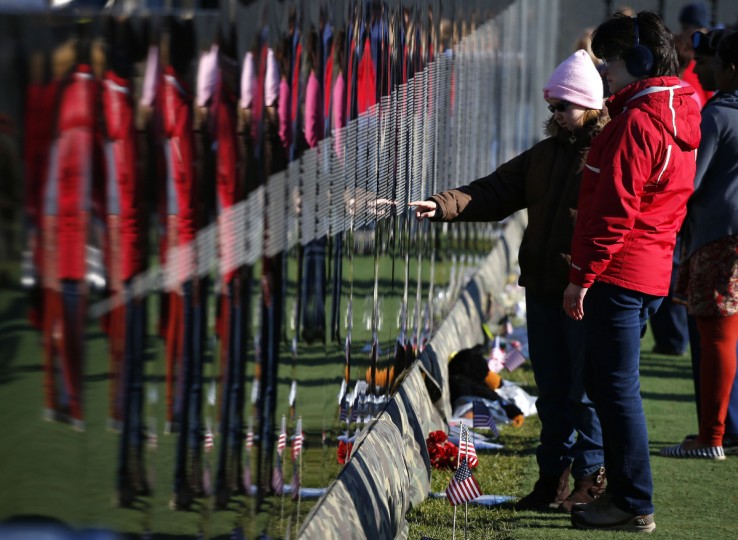
Iran responded quickly with missile and drone attacks that targeted the U.S. military installations and different bases throughout the Middle East. Multiple American facilities in countries like Iraq, Kuwait, and Qatar were attacked during the strikes. At least thirteen U.S. service members have been killed in the attacks so far, with even more injuries that were reported among American troops that were stationed in the region at the time. Those deaths were the first confirmed American casualties in this conflict, and they showed the risks facing the U.S. forces that were deployed across the Middle East. Thousands of American troops are currently stationed in the region to provide support to military operations, protect shipping lanes, and defend governments, making them potential targets as this continues.
There are also concerns for American civilians who live and work throughout the Middle East. U.S. diplomats, contractors, journalists, and aid workers work in a lot of countries across the region, and they could all be put at a higher risk. To respond, the U.S. State Department issued travel warnings and recommended that Americans in several countries stay alert or prepare to evacuate if anything worsens. Military commanders have also increased the security at their bases and embassies in preparation of more attacks.
The war is also already affecting the global economy, specifically energy markets. Iran is near the Strait of Hormuz, which is one of the most important oil transportation routes in the world. About one-fifth of the world’s oil supply goes through the narrow waterway each day. If there’s any disruption to shipping in the Strait, it could lead to reduced global oil supplies and, therefore, higher oil prices. For American consumers who were already dealing with inflation, the rising fuel costs could become one of the most immediate consequences of the war. National experts also believe that the conflict can go beyond just Iran. Iran has relationships with multiple groups in countries like Lebanon, Syria, Iraq, and Yemen. They have all previously launched attacks on U.S. and Israeli targets, meaning there’s a high chance that they will play a larger role later on.
In public statements, Trump said that the attacks had weakened Iran’s military leadership and the operation that started all of this would improve security for the United States and its allies. At the same time, he’s also aware that the war could continue for weeks or even longer if Iran continues to retaliate. As the fighting continues, the long-term consequences become more and more unclear. Whether the situation is able to be contained or grows into a larger war will most likely depend on the decisions made by leaders in Washington, Tehran, and capitals that are allies in the next few weeks.

Be the first to comment on "What the New War With Iran Could Mean for Americans"